In short
- Neighbours generally share the cost of an adequate boundary fence equally.
- A written fencing notice starts the process. The neighbour has 21 days to object.
- If you build first and ask later, you may not get the other half back.
- This is a summary. For a dispute, read the Act or get advice.
Under the Fencing Act 1978, the occupiers of neighbouring properties generally share equally the cost of building or repairing an adequate fence on the boundary between them. The Act also sets out a notice process to follow when neighbours do not simply agree. This guide explains it in general terms. It is not legal advice, and for a real dispute you should read the Act itself or talk to a Community Law centre, a Citizens Advice Bureau or a lawyer.
What is an adequate fence?
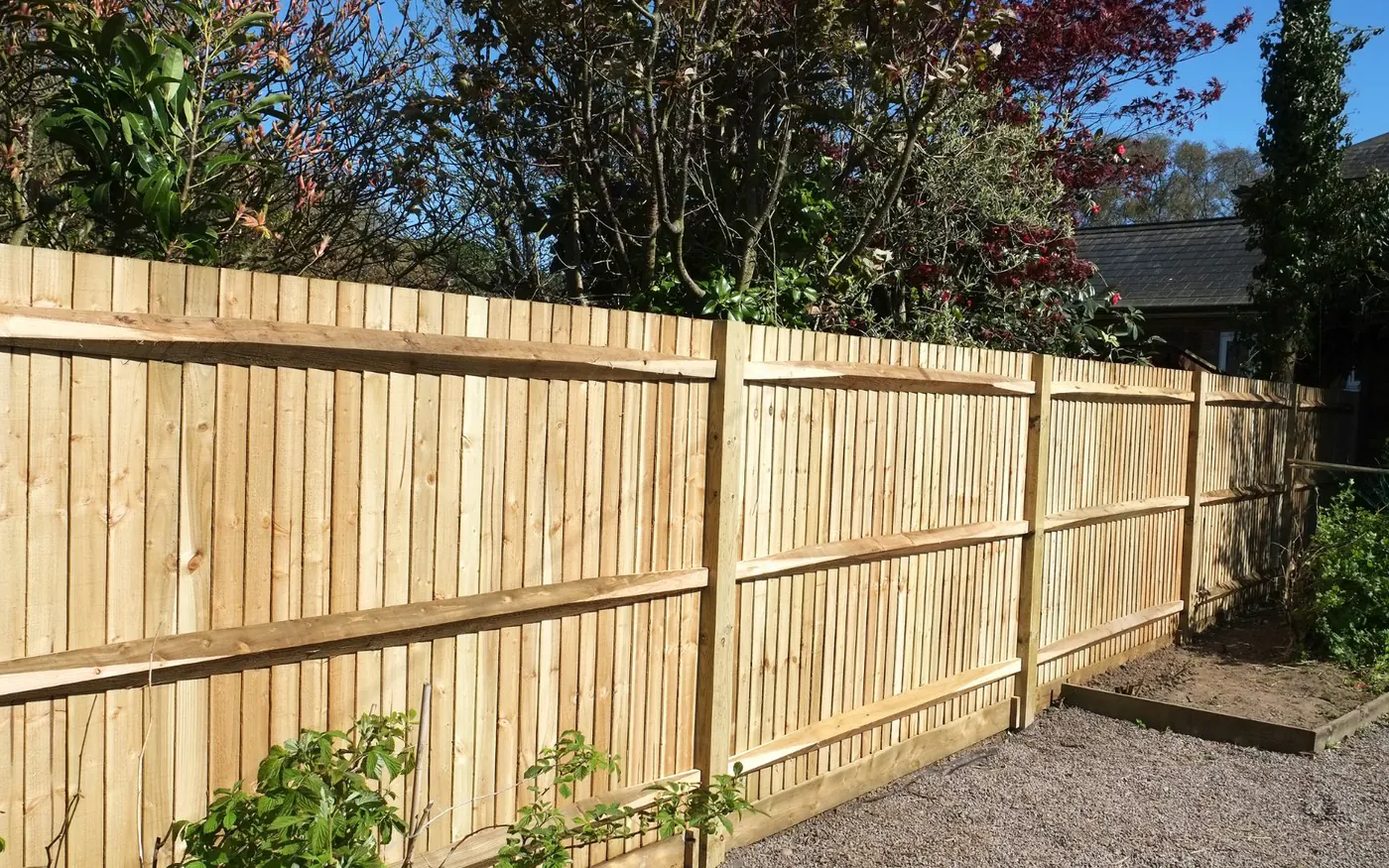
The Act describes an adequate fence as one that is reasonably satisfactory for the purpose it serves or is intended to serve. In a suburb, that is normally a plain, sound fence of ordinary height that marks the boundary and gives reasonable privacy: in practice, a standard timber paling fence. A schedule to the Act lists examples of fences for urban and rural settings.
The word matters because the cost sharing applies to an adequate fence, not to the fence one neighbour would prefer. If you want hardwood slats or a plastered wall and your neighbour is content with palings, the usual outcome is that you split the cost of the paling fence and you pay everything above that.
When neighbours agree
Most boundary fences never go near the formal process. Two neighbours talk over the fence, get a quote or two, agree on a style and each pay half. That is fine, and it is the best result. Do put it in writing, even as an email:
- Which boundary, and how many metres.
- The type and height of fence, and which side the rails face.
- Who is building it, and the quoted price.
- How the cost is split, and when each share is paid.
- Who removes the old fence and any plants on the line.
The fencing notice
If your neighbour will not engage, or you cannot agree, the Act lets you serve a fencing notice. In general terms the notice must be in writing and must state:
- That it is served under the Fencing Act 1978.
- The boundary to be fenced.
- The kind of fence proposed.
- Who will do the work.
- The estimated total cost and how it will be shared.
- When work is to start.
- That the neighbour has 21 days to object, and what happens if they do not.
It should also name both parties. Attach the quote, deliver it by hand or registered post, and keep a dated copy.
The 21 days
Once served, the neighbour has 21 days to reply with a cross-notice. A cross-notice sets out what they object to and any counter-proposal, such as a different kind of fence, a different price or a different contractor.
- No reply within 21 days. The neighbour is treated as having agreed to the proposal, and you can go ahead and recover their share.
- A cross-notice arrives. You now have their position in writing. Most pairs of neighbours settle at this point.
- Still no agreement. Either of you can ask the Disputes Tribunal or the District Court to decide. The Tribunal is the usual route for a suburban fence. It is low cost and you do not need a lawyer.
Do not start building during the 21 days or while a cross-notice is unresolved. If you build without agreement and without following the notice process, you may lose the right to claim the other half.
Repairs and urgent work
The same sharing applies to repairing an existing boundary fence. There is an exception for urgency: where a fence is suddenly damaged or destroyed and needs immediate work, one occupier can do what is needed without giving notice and recover half the cost from the other.
If one neighbour causes the damage, the sharing rule does not apply. A tree you allowed to fall on the fence, a car reversed through it or a dog that dug it out are generally yours to pay for in full.
Where exactly does the fence go?
A boundary fence is built on the boundary line, with the posts on the line or as close to it as is practical. Neither neighbour gives up land by agreeing to it. If the survey pegs are missing and you cannot agree where the line is, a licensed cadastral surveyor can re-mark it. That cost is usually shared too when both of you need the answer.
When the Act does not help
- Fencing covenants. Many titles in newer subdivisions carry a covenant saying the developer does not have to contribute to fences. Councils commonly have the same protection for reserves. The covenant normally protects only that original party. Check your title.
- Roads. A front fence along the street is your own cost.
- Fences inside your boundary. A fence you build wholly on your own land, set back from the boundary, is yours alone.
- Retaining walls. The Act is about fences. Who pays for a retaining wall depends on who needs the support and who changed the ground level.
- Height and planning rules. The Act says nothing about how high a fence may be. That comes from the district plan and any covenant. See fence height rules in Christchurch.
What it costs to share
As a guide, a standard 1.8 metre paling fence costs $180 to $280 per metre, built. On a 30 metre back boundary that is $5,400 to $8,400 in total, or $2,700 to $4,200 each. Removing the old fence adds $20 to $45 per metre, also shared when it is part of the same work. The fence cost calculator gives a range for your length, and a written quote from a fencer gives you the figure to put in a notice.
Common sticking points
The neighbour is a landlord
Serve the owner. A property manager can pass on a notice, but the owner is the one who is liable.
A developer is building next door
You are entitled to a notice and to object like anyone else. Developers often propose a fence that suits their units. If it goes beyond an adequate fence, the extra cost is usually theirs.
The old fence is fine, says the neighbour
Then the question is whether it is still adequate. Photos of rotten posts and a fencer's written opinion carry weight.
Common questions
Does my neighbour have to pay half for a new fence in NZ?
Generally yes, for an adequate fence on a shared boundary, under the Fencing Act 1978. They must either agree or be served a proper fencing notice first. If you build without doing either, you may not be able to recover their share.
What happens if my neighbour ignores a fencing notice?
If they do not serve a cross-notice within 21 days, they are treated as having agreed to the proposal in the notice. You can then have the work done and recover their share. Keep proof of when and how the notice was served.
Who gets the good side of the fence?
The Act does not say. It is a matter of agreement. A lapped and capped or hit-and-miss fence looks finished from both sides and avoids the question.
Can I replace a boundary fence without asking my neighbour?
Not safely. The fence usually belongs to both of you. Removing or replacing it without agreement or a notice can leave you paying the full cost and liable for any damage.