In short
- Pools that can hold 400 mm or more of water need a barrier.
- The barrier must be at least 1.2 m high with no gaps over 100 mm.
- Gates open away from the pool, self-close and self-latch.
- Councils inspect every three years. Confirm the detail with yours.
In New Zealand, a residential pool that can hold water 400 mm deep or more must have a physical barrier that restricts access by unsupervised children under five. The rules are in the Building Act 2004 and Building Code clause F9. They replaced the old Fencing of Swimming Pools Act in 2017. This guide sets out the main requirements in general terms. Your council applies them, so confirm the detail for your pool with Christchurch City Council, Selwyn District Council or Waimakariri District Council.
Which pools need a barrier?
- In-ground and above-ground swimming pools.
- Portable and inflatable pools, if they can be filled to 400 mm or more.
- Spa pools and hot tubs, unless they qualify for the cover exemption below.
The rule is about the depth the pool can hold, not how deep you fill it. Garden ponds and stormwater features are not residential pools for this purpose.
The barrier: height, gaps and climbing
| Requirement | In general terms |
|---|---|
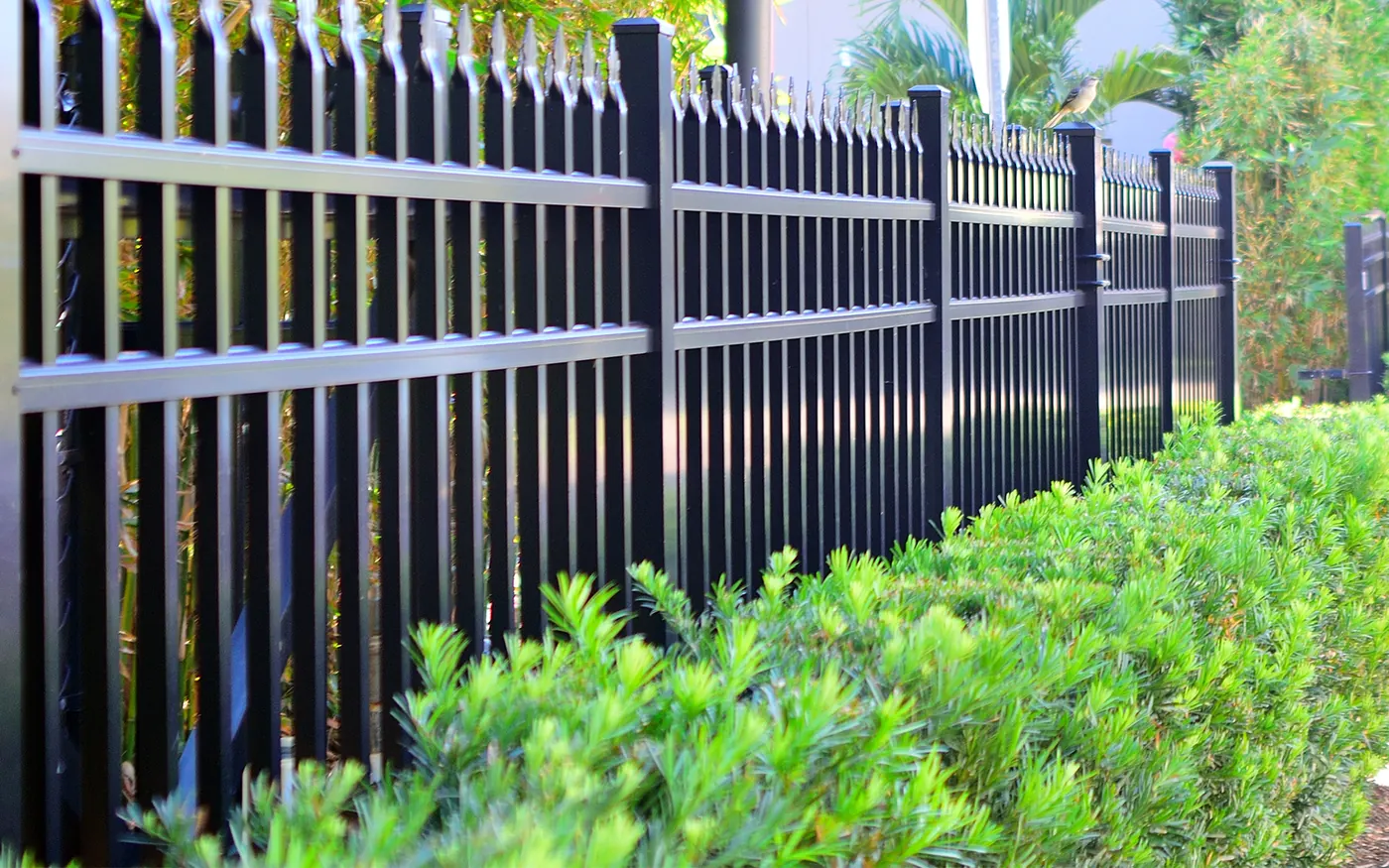
| Height | At least 1.2 m, measured on the outside of the barrier, the whole way round |
| Gaps | No opening that a 100 mm ball could pass through, including under the fence |
| Climbability | No footholds on the outside: horizontal rails must be spaced well apart or be on the pool side |
| Clear zone | Nothing climbable within about 1.2 m of the outside: no furniture, planters, pumps, trees or stacked firewood |
| Strength | Rigid enough that a child cannot push through or under it |
The barrier must enclose only the pool and its immediate surrounds. It should not take in the clothesline, the vege garden or the route from the house to the garage. The smaller the fenced pool area, the less likely a child is inside it by accident.
Gates
Gates are where most pools fail an inspection. A compliant gate:
- Opens outwards, away from the pool.
- Closes by itself from any position, including resting just against the latch, with no push.
- Latches by itself.
- Has its latch release out of a small child's reach. That generally means at least 1.5 metres above the ground, or on the pool side and shielded so it can only be reached over the top of the gate.
- Is never propped open.
Hinges and latches wear, posts move and the ground heaves. A gate that passed when new can stop closing fully within a couple of years. Check yours each spring by opening it a hand's width and letting go.
Using a boundary fence as part of the barrier
A fence on the property boundary can form one side of the pool barrier, with conditions. In general terms it needs to be at least 1.8 metres high measured on the pool side, with nothing climbable on the pool side near the top, and the pool set back from it. The reason is that you cannot control what your neighbour stacks against their side.
A standard 1.8 metre paling fence often qualifies if the rails are arranged correctly and nothing on your side gives a foothold. Have it checked before the pool design is fixed. Remember too that the fence is shared property. If it is replaced or altered later, the pool barrier changes with it.
The house as part of the barrier
Where a wall of the house forms part of the barrier, any door opening into the pool area has to meet extra requirements, such as closing and latching automatically or sounding an alarm, and windows that open into the pool area are restricted in how far they can open. These rules are detailed, and they have changed over time. Older pools may be assessed against the rules that applied when they were built. Ask your council which apply to you.
Spa pools and hot tubs
A small heated pool can use a lockable cover in place of a fence if it meets conditions that include:
- A water surface area of 5 square metres or less.
- Side walls at least 760 mm above the surrounding ground or deck, with nothing climbable beside them.
- A cover that restricts entry when closed, can take a reasonable load, can be locked or latched so a young child cannot open it, and carries the required signage.
A spa sunk into a deck does not meet the wall height condition and needs a barrier like any other pool.
Consent and inspections
The consent exemption for ordinary fences up to 2.5 metres does not apply to pool barriers. Building a pool, or building or substantially altering its barrier, normally needs a building consent. The barrier is inspected before the pool is filled.
After that, every residential pool barrier must be inspected at least once every three years. Councils do this themselves or accept a certificate from an independently qualified pool inspector, and there is usually a fee. If the barrier fails, you are given a list of what to fix and a date to fix it by.
Common reasons pools fail
- The gate does not self-close or self-latch from every position.
- Something climbable has been placed against the outside: a planter box, a barbecue, a kayak, the pool filter housing.
- Plants have grown into a ladder against the fence.
- The ground has built up under mulch or paving, so the fence is no longer 1.2 metres high.
- A gap has opened under a panel.
- A door from the house into the pool area does not comply.
Nearly all of these can be fixed without replacing the barrier.
Choosing a pool fence
Any material can comply if the design is right. As a guide to cost:
| Type | Guide price |
|---|---|
| Aluminium tubular, 1.2 m | $200 to $350 per metre |
| Semi-frameless glass | $450 to $700 per metre |
| Frameless glass | $700 to $1,100 per metre |
| Self-closing gate | $700 to $1,500 each |
Glass keeps the pool in view from the house, which helps supervision. Aluminium is the economical choice for the sides that face the garden. Many pools use both. In Canterbury, pick hardware that copes with frost and strong sun, and expect to adjust the gate closer after the first season. The pool fencing page explains how a barrier is planned and installed.
Common questions
How high does a pool fence have to be in NZ?
At least 1.2 metres, measured on the outside of the barrier. A boundary fence used as part of the barrier generally needs to be 1.8 metres on the pool side. Confirm with your council.
Do I need a fence around an inflatable or portable pool?
Yes, if it can hold water 400 mm deep or more. The rule depends on how deep the pool can be filled, not on how long it stays up.
How often are pool fences inspected?
At least once every three years, by the council or an independently qualified pool inspector. Expect a fee.
Does a spa pool need a fence in NZ?
Not if it qualifies for the cover exemption: a small heated pool with walls at least 760 mm above the ground and a compliant lockable cover. A spa set into a deck usually needs a barrier.